The Fort Worth commercial construction market continues to experience sustained growth driven by several converging trends. From industrial expansion along the I-35W corridor to new medical office development in suburban submarkets, the region's construction pipeline remains robust heading into 2026.
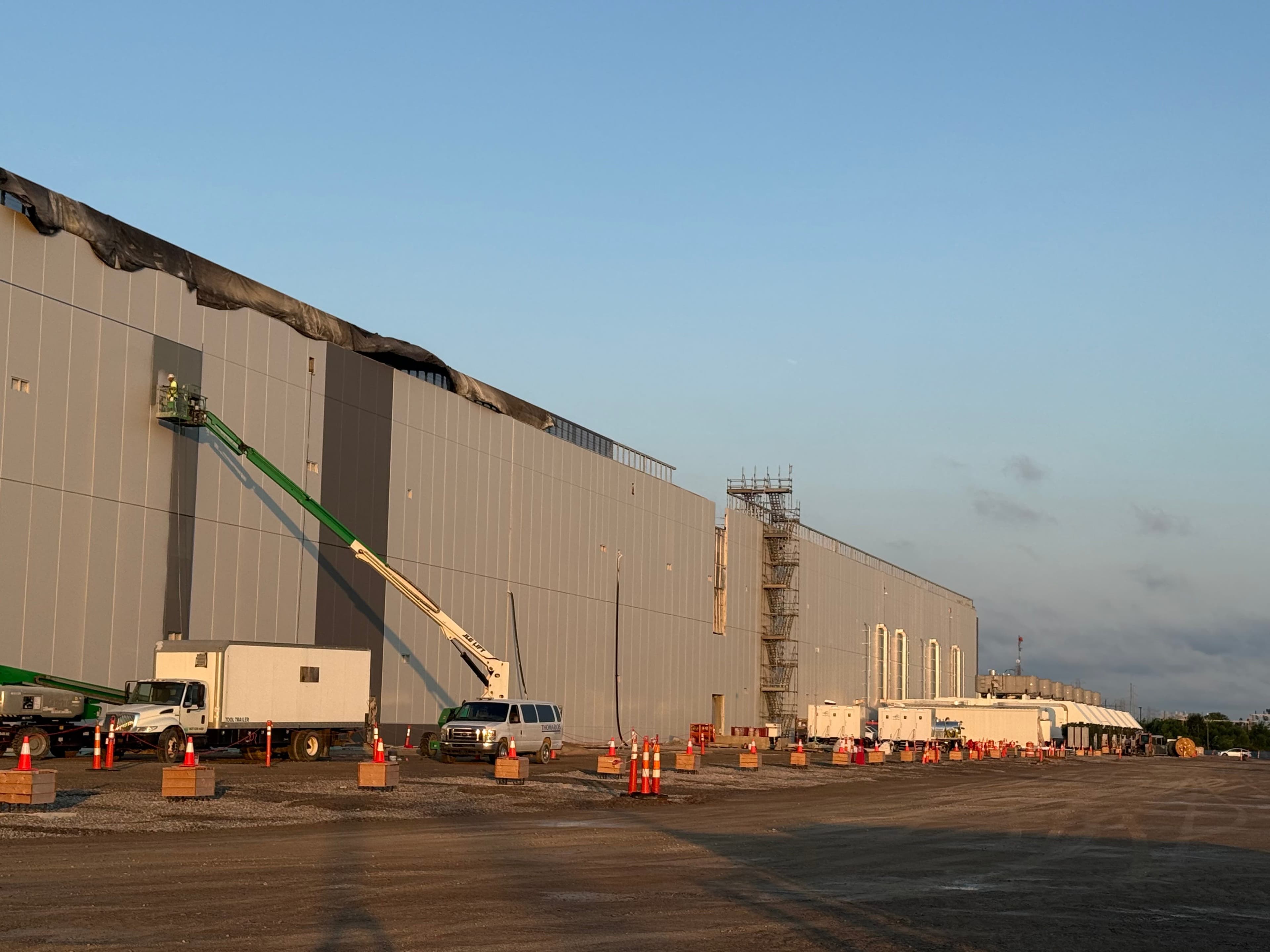
Industrial and logistics construction has been the dominant force. The expansion of distribution networks serving the Dallas-Fort Worth metroplex has created consistent demand for large-footprint warehouse and fulfillment center projects. Markets like Haslet, Alliance, and south Fort Worth continue to attract major developers seeking proximity to rail, highway, and air freight infrastructure.
Tilt-wall construction has emerged as the preferred building method for many of these industrial projects. The speed and cost efficiency of tilt-wall panels — combined with the region's favorable weather for year-round construction — make this method particularly well-suited to the North Texas market.
Medical office construction is another growth category. As healthcare systems expand outpatient services into suburban locations, demand for purpose-built medical office buildings has increased in areas like Southlake, Keller, and Mansfield. These projects require specialized MEP coordination, infection control considerations, and compliance with healthcare facility standards.
Mixed-use and multifamily development continues in Fort Worth's urban core and surrounding municipalities. These projects combine retail, office, and residential components, requiring contractors who can manage complex phasing, multiple stakeholder groups, and varied finish standards within a single development.
Looking ahead, the Fort Worth construction market faces some headwinds from labor availability and material cost fluctuations. However, the region's strong population growth, business-friendly environment, and strategic transportation infrastructure position it for continued commercial construction activity through 2026 and beyond.